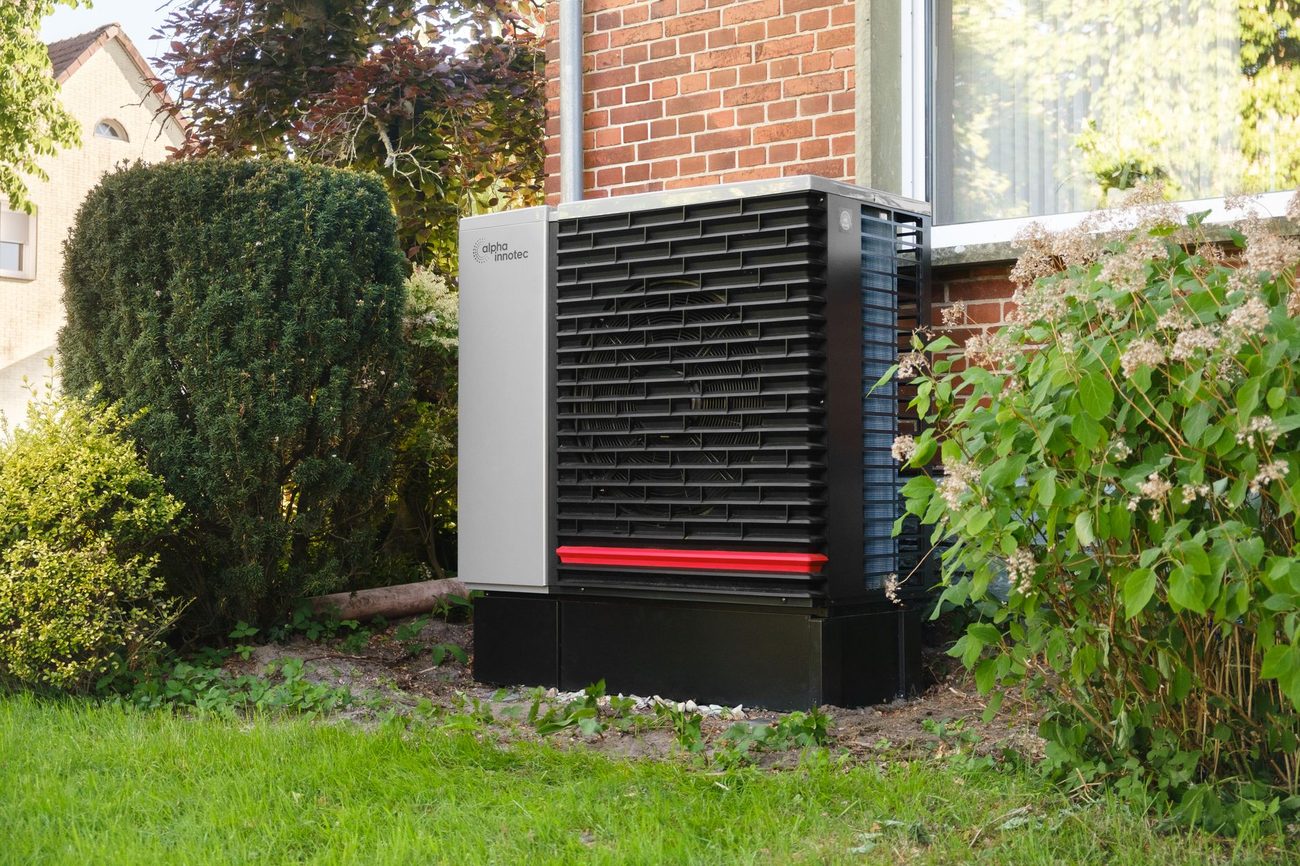
The technician knelt beside the outdoor unit on Tuesday morning and ran one finger across the metal fins, then held it up for me to see. It came away yellow-gray, a paste of pine pollen and something older underneath. "This is about half your problem right here," he said. Behind him, Pepper was supervising from the porch steps, and a fresh dusting of pollen was settling on the hood of our car as we talked.
Our heat pump went in back in 2016, years before we bought the house. Apart from changing filters, we had never had it properly serviced. Last spring's home energy audit had already pointed at the attic ducts and the thin insulation, and we dealt with both of those over the summer and fall. The unit itself was the one piece of the system we hadn't looked at. With summer six weeks away and last August's $312 electric bill still fresh in my mind, I finally called someone.
What the visit cost
The total came to $165. Here's how it broke down on the invoice:
| Item | Cost |
|---|---|
| Seasonal maintenance visit (inspection, coil cleaning, condensate line flush, electrical check) | $95 |
| Replacement capacitor, part and installation | $70 |
| Total | $165 |
I asked around beforehand, and that was in the normal range for our area. I'm not in a position to tell anyone what they should pay, but it helped to know what was on the list before he arrived, so I could ask about each item instead of nodding along.
What he found
A dirty outdoor coil
The outdoor coil is the grid of thin metal fins wrapped around the unit. It's how the system moves heat out of the house in summer. When it's coated, the unit has to run longer to do the same job. Ours had ten years of pollen, dust and a fair amount of pecan debris packed into the bottom. He shut off the power, rinsed the coil gently from the inside out, and used a fin comb to straighten a few bent sections near the base where, I suspect, a lawn mower had come a little too close at some point.
He was careful to say it wasn't dramatic, just typical. But he also said that around here, with the pollen and the pecans, once a year is about right.
A weak capacitor
This was the part I would never have caught. A capacitor is a small cylinder that gives the motors a kick to get started. He tested ours with a meter and it was reading noticeably under its rated value. It still worked, but he said they tend to fail on the hottest day of the year, when the system is working hardest, and that's exactly when it's hardest to get anyone out to fix it.
Replacing it took about fifteen minutes. He showed me the old one, slightly swollen on top. I put it on the kitchen windowsill for a day so Lila could look at it, and she was underwhelmed.
Things that were fine
- Refrigerant pressure looked normal, which he said was a good sign for a unit this age.
- The condensate line had a little buildup, so he flushed it, but nothing was backing up.
- The indoor filter was clean. I'll take the small win.
What we're doing differently now
He gave me a short list, and I wrote it on an index card that now lives taped inside the hall closet door, next to the filter sizes.
- Filters monthly during pollen season, roughly March through May, and every two months the rest of the year.
- Keep two feet clear around the outdoor unit. Ben trimmed back the azalea that had crept toward it.
- Rake the pecan leaves and husks away from the base in fall, before they can pile up against the fins.
- Book the next service for early spring, after the worst of the pollen, rather than waiting until we're worried.
Was it worth it?
It's April, so I can't tell you yet what this does to a summer bill, and with the duct sealing and the attic insulation also in the mix, I'm not sure I'll ever be able to pull the effects apart cleanly. What I can tell you is that the unit sounds different. It starts more smoothly, without the little hesitation I had stopped noticing, and the air from the vents on the first warm afternoon felt cooler, faster.
Mostly I'm glad that the capacitor was found on a mild morning in April by a man who had the part in his van, rather than on some ninety-eight-degree evening in August. That alone felt worth $165.