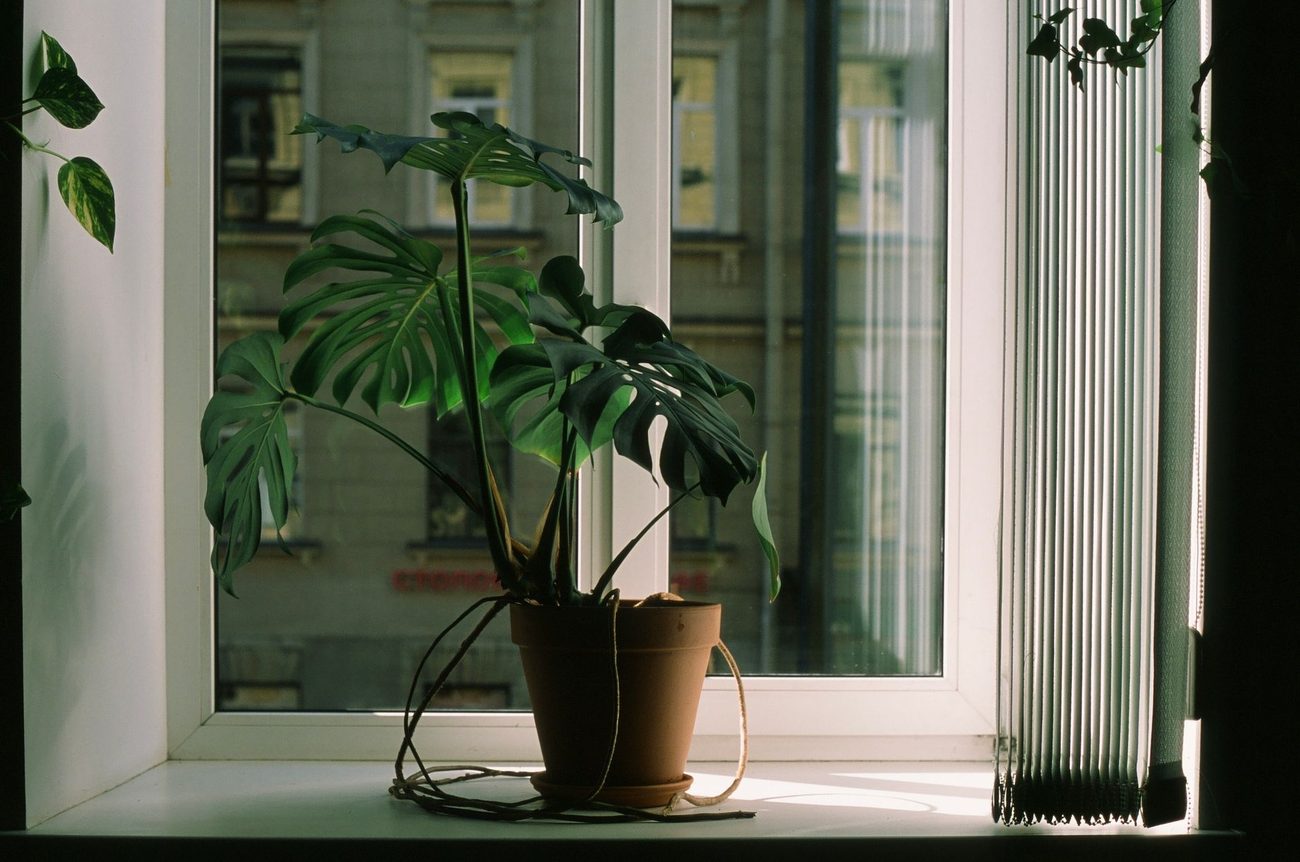
The pothos on top of the kitchen cabinets has grown three new vines since March, and one of them now reaches nearly to the counter. It came home with me in a cardboard box in January, along with a mug and a desk calendar, when I left my job at the library. It had lived on the circulation desk for six years under fluorescent lights and bad air. Here, in our damp old house, it is behaving like it won the lottery. Not every plant has been so lucky.
A 1958 brick ranch in central South Carolina is a humid place to be a houseplant. Even with the air running, our indoor humidity sits high most of the year. In fact, the energy auditor who came out this month mentioned it while poking around with his clipboard. Some plants love that. Others quietly rot from the roots up while looking fine on top, which is the most heartbreaking way to lose a plant.
The ones that thrive here
After a few years of trial and plenty of error, these are the plants that have done well for us with very little fuss:
- Pothos. Nearly indestructible. Tolerates low light, forgives missed waterings, grows like a vine in the woods.
- Boston fern. Practically made for our climate. Ours lives in the bathroom window, where the shower steam keeps it lush.
- Peace lily. Droops dramatically when thirsty and perks up within an hour of watering, which makes it a very honest plant. Lila, who is six, is in charge of it and enjoys the drama.
- Spider plant. Ours has thrown off so many babies that we've given away six of them in jars of water.
- Snake plant. Thrives on neglect. The one thing that kills it is overwatering, which is easy to do in a humid house.
- Calathea. Fussy elsewhere, but the moist air here keeps its leaf edges from going crispy. It sits in the north-facing bedroom away from direct sun.
The ones that struggled
I want to be honest about the losses too, because they taught me more.
A succulent dish garden, a gift two Christmases ago, turned to mush within a few months. Succulents want dry air and dry soil, and our house offers neither.
A fiddle-leaf fig I bought in a hopeful moment developed brown spots on its leaves that spread from the bottom up. That turned out to be root rot from soil that never dried out between waterings.
A rosemary plant on the kitchen windowsill got a fine gray powder on its leaves, which I learned was powdery mildew. It was happier when I moved it outside.
What we changed
Watering by touch, not by calendar
This was the single biggest change. I used to water everything on Sunday. In a humid house, soil dries much more slowly than you'd think, so the plants were sitting wet for days. Now I push a finger into the soil up to the second knuckle. If it's dry, water. If it's damp, wait. Most of our plants get water about every ten days now, some even less.
Terra cotta and grittier soil
Plastic pots hold moisture. Terra cotta breathes. For anything prone to root rot, I've switched to clay pots and mixed a handful of perlite into the potting soil so water drains through instead of sitting. Every pot has a drainage hole, no exceptions, even the pretty ones.
Airflow
Ceiling fans run in most rooms of our house, and plants appreciate the gentle movement as much as we do. Mildew and fungus gnats both love still, damp air. Moving a couple of plants out of a stuffy corner and into a room with a fan made a visible difference within weeks.
Fighting fungus gnats
Those tiny black flies hovering around the pots are a sign the top of the soil is staying wet. Letting the top inch dry out between waterings knocks them back. A thin layer of coarse sand on top of the soil helped too, and yellow sticky cards caught the stragglers.
A small plant routine
- Monday morning: walk the house with a finger and a watering can.
- Once a month: wipe the dust off the big leaves with a damp cloth.
- Spring: repot anything whose roots are coming out of the bottom.
- Before summer storms: bring in anything that's been out on the screened porch.
That's all it takes, honestly. The plants that are suited to this house mostly look after themselves.
The pothos is due for a trim soon. I'll cut a few vines, root them in a jar on the windowsill, and give them away to friends, the same way it was once given to me by a coworker who swore it couldn't be killed. Six years and one move later, she still seems to be right.